
Understanding Farmer’s dog pricing in 2025 can feel confusing if you are trying fresh dog food for the first time. Many dog owners hear about healthy, human-grade meals for pets but do not know what actually determines the final price. This article is a complete, easy-to-read guide made for Grade 9 students and anyone who wants a clear breakdown. We will explore what Farmer’s Dog offers, how subscriptions work, what makes costs rise or fall, real-life examples, and tips to save money. By the end, you should understand how Farmer’s dog pricing works in a natural, realistic way.
What Is Farmer’s Dog and Why Does Pricing Matter?
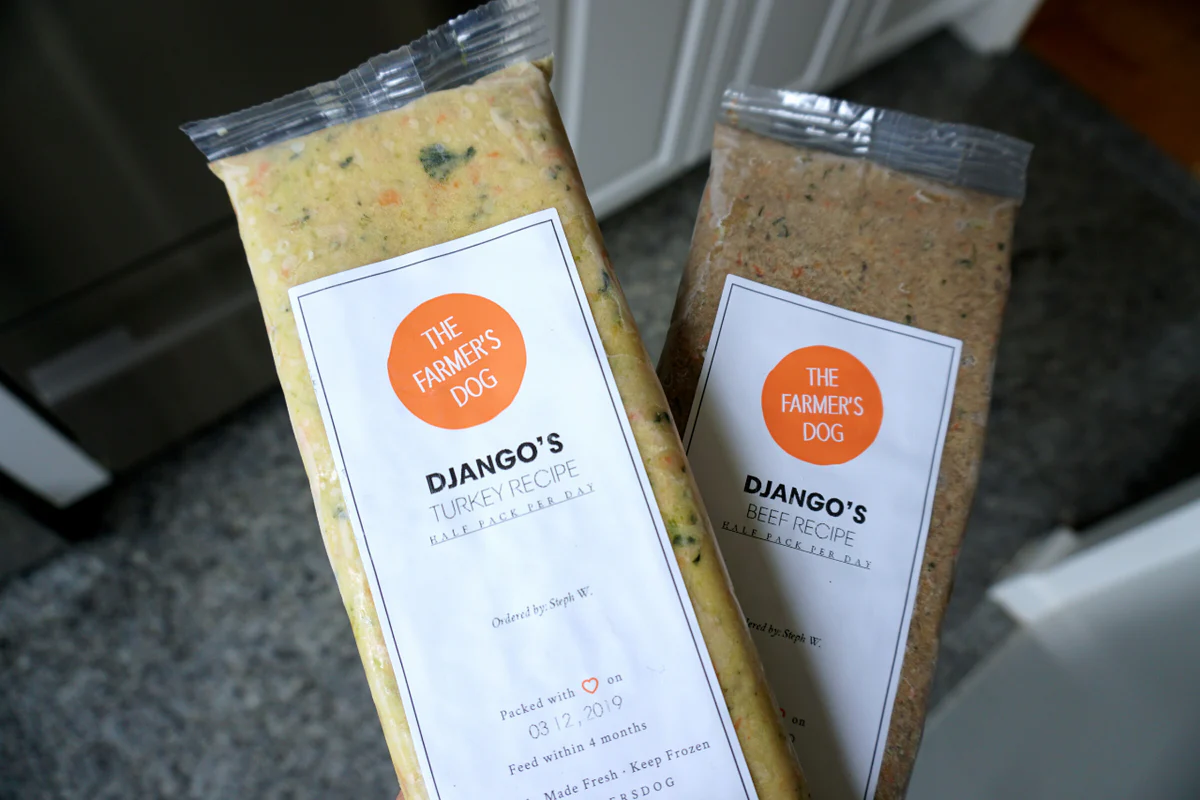
Farmer’s Dog is a dog food company that makes fresh, human-grade meals delivered right to your door. Instead of dry kibble that sits in a bag for months, these meals are cooked, then frozen or refrigerated, and shipped weekly or monthly. Many customers like that the food looks like real meat and vegetables you could eat yourself. Animal nutrition experts often say fresh food can support better digestion and energy in dogs.
Because it is different from typical dog food, Farmer’s dog pricing is also different. You are not just buying food. You are paying for ingredients, delivery, packaging, and a customized feeding plan. Understanding these parts helps you decide if it is worth the cost for your dog.
The Main Factors That Affect Farmer’s Dog Pricing
Dog size
One of the biggest things that affects Farmer’s dog pricing is the size of your dog.
- A small dog eats less food each day, so weekly and monthly plans are cheaper.
- A large dog requires much more food, so costs will be higher.
For example, a 12-pound Chihuahua might cost around a few dollars a day to feed fresh food. A 90-pound Labrador could cost several times more per day.
Age and activity level
Just like humans, different dogs need different amounts of calories. Puppies, working dogs, and very energetic pets may need a higher feeding amount. That increases Farmer’s dog pricing per week or month.

Recipe selection and ingredients
Farmer’s Dog usually offers a few recipes with real meats like turkey, beef, chicken, or pork. Each recipe contains vegetables such as carrots, green beans, and sweet potatoes. The cost can change based on:
- Protein type
- Recipe popularity
- Ingredient sourcing
Since these are human-grade ingredients, prices are naturally higher than mass-produced kibble.
Subscription plan length
Most fresh dog food companies use subscriptions. The longer you subscribe, the more stable Farmer’s dog pricing becomes. Some customers notice discounts after several orders or promotional offers for new subscribers.
Shipping and packaging
Farmer’s Dog uses insulated boxes with dry ice or cold packs to keep food fresh. Shipping this constantly adds to the cost. You are paying for convenience plus safe handling.
Location
Where you live affects delivery prices. Urban areas might have more shipping routes, while rural areas can cost more. Location is not the biggest factor, but it still influences Farmer’s dog pricing.
Breaking Down the Price: What Are You Actually Paying For?
A lot of people wonder why fresh dog food costs more than traditional dog food. Here is what you are usually paying for when you look at Farmer’s dog pricing:
- High-quality meat
- Low-processed vegetables
- Veterinary-approved recipes
- Personalized meal plans
- Refrigerated shipping
- Eco-friendly packaging
- Home delivery convenience
- No fillers, artificial preservatives, or powdered protein
Think of it like the difference between ordering a salad with grilled chicken from a restaurant versus buying a fast food burger. Both feed you, but one has fresher ingredients and higher production standards.
Real-Life Example: Farmer’s Dog Pricing for Three Dog Types
To understand Farmer’s dog pricing more clearly, imagine three different dogs:
Example 1: Small dog (Yorkie)
- Weight: 8 pounds
- Food required: Small daily portion
- Monthly price range: Lower cost tier
A small dog might cost the same per month as one family dinner at a restaurant. Since small dogs do not eat much, this option is the most affordable.
Example 2: Medium dog (Cocker Spaniel)
- Weight: 30 pounds
- Food required: Medium daily portion
- Monthly price: Moderate tier
Owners often choose partial feeding for medium dogs. Partial feeding means combining Farmer’s Dog meals with regular kibble to stretch cost while improving nutrition.
Example 3: Large dog (German Shepherd)
- Weight: 80 pounds
- Food required: Large daily portion
- Monthly price: Highest tier
Large dogs may cost several hundred dollars monthly if you choose full fresh feeding. Some owners choose half portions to reduce Farmer’s dog pricing.
Comparing Farmer’s Dog Pricing to Other Dog Food Types
Traditional kibble
- Cheapest option
- Highly processed
- Long shelf life
Canned dog food
- Moderate pricing
- Higher moisture level
- Some artificial ingredients
Raw dog food
- Expensive
- Requires freezer space
- Safety concerns
Fresh subscription food (including Farmer’s Dog)
- Highest quality ingredients
- Delivered cold or frozen
- Veterinary-balanced
Most people who choose fresh food are willing to pay more for peace of mind and fewer fillers. Knowing what each type offers helps you judge why Farmer’s dog pricing looks different in 2025.
Additional Costs People Forget to Consider
When looking at Farmer’s dog pricing, some pet owners forget extra costs like:
- Treats
- Joint supplements
- Chews
- Training snacks
Fresh food can reduce the need for extra products because it supports overall health. However, these extras can add to total monthly pet expenses.
Are There Ways to Lower Farmer’s Dog Pricing?
Some smart budgeting strategies can reduce the total cost:
1. Partial feeding
Feed half Farmer’s Dog and half kibble. This still gives benefits while reducing cost dramatically.
2. Use promotions and first-time deals
New customers often get discounts on their first box.
3. Choose fewer recipes
Sometimes selecting one or two recipes instead of a mixed box lowers costs.
4. Freeze portions
Store extra food to avoid waste.
5. Choose smaller delivery frequency
Fewer deliveries means fewer shipping fees built into Farmer’s dog pricing.
The Health Value Behind Farmer’s Dog Pricing
Many pet owners focus only on the cost today, but long-term health is also part of the value. Fresh food may help with:
- Better digestion
- Shinier coat
- Fewer allergies
- Stable weight
- Higher energy
Veterinary visits for stomach problems, ear infections, or allergies can cost more than monthly food. For some dogs, Farmer’s dog pricing ends up saving money over time.
Is It Worth Paying More for Fresh Dog Food?
To decide if Farmer’s dog pricing is worth it, ask these questions:
- Does my dog have digestion issues?
- Is my dog picky?
- Do I want human-grade ingredients?
- Can I budget monthly for pet food?
If the answers lean toward yes, fresh food might be a good investment.
Conclusion: Understanding Farmer’s Dog Pricing Helps You Make Better Choices
Now you have a complete picture of Farmer’s dog pricing in 2025. The cost depends on your dog’s size, recipe choice, shipping, and how much fresh food you want to feed. Fresh food is not the cheapest way to feed a dog, but many owners believe the health benefits and convenience make it worth the money. When you know what influences the price, it is easier to plan a budget and choose the best food option for your pet. By looking at real examples, comparing food types, and learning how subscription pricing works, you can make a smart, informed decision. Our website is your ultimate source of valuable information.
FAQs
What is the average cost of Farmer’s Dog monthly?
Farmer’s dog pricing varies, but small dogs cost noticeably less than medium or large dogs. Monthly cost depends on how much your dog eats and whether you use full or partial feeding. Choosing limited recipes or subscription offers can also reduce price.
Does Farmer’s Dog have hidden fees?
Most Farmer’s dog pricing is transparent. Shipping and ingredients are included in the quoted subscription price. Special delivery addresses or changes might affect cost, but there are usually no surprise charges once you start a plan.
Can you mix Farmer’s Dog with kibble to save money?
Yes. Many pet owners mix fresh food with dry kibble. This keeps the benefits of fresh food while lowering total Farmer’s dog pricing each month. It is one of the most popular cost-saving strategies and can help dogs transition gradually to fresher meals.