

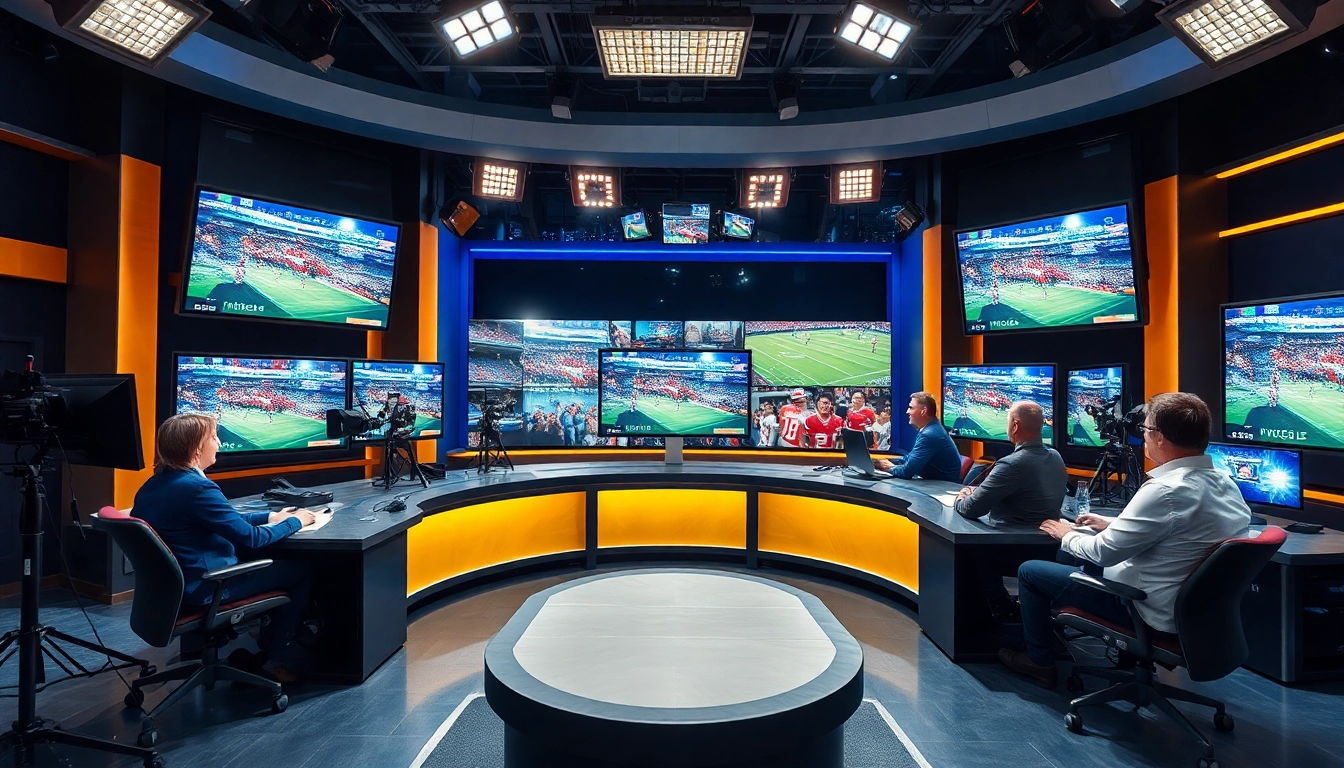
Introduction to Sports Broadcasting
Understanding the Basics of Sports Broadcasting
Sports broadcasting is a media enterprise that encompasses the live transmission of sporting events via radio and television, as well as through digital platforms. It serves as a bridge between fans and the games they love, providing insights, commentary, and analysis that enhance the viewing experience. An effective Sports Broadcasting strategy requires a deep understanding of the sports being covered, proficiency in communication, and the ability to engage audiences dynamically.
The Evolution of Sports Broadcasting
The journey of sports broadcasting is marked by landmark developments that have shaped its current form. Initially, sports were only available to audiences through newspaper reports and radio commentary. The introduction of television in the mid-20th century revolutionized accessibility to sports, bringing significant cultural and economic changes to how events are consumed. With the rise of the internet, streaming services began offering viewers an ever-expanding array of sports content, including live games, highlight reels, and analyses that cater to diverse tastes and preferences.
Key Roles in Sports Broadcasting
A sports broadcasting team typically comprises several key roles that work together to create compelling content. Broadcasters and commentators provide play-by-play narrations and analyses. Producers manage all aspects of the broadcast, orchestrating the logistics and ensuring smooth transitions between segments. Behind the scenes, technical staff operate cameras and sound equipment, while graphic designers create engaging visuals. Each role is critical in delivering a seamless and high-quality viewing experience.
Essential Techniques in Sports Broadcasting
Commentary Skills for Sports Broadcasting
Effective commentary is crucial in sports broadcasting. It involves conveying excitement while offering insights that enrich the viewer’s understanding. Commentators must maintain a balanced tone, avoiding bias while emphasizing key player performances and strategies. The ability to think on their feet and provide meaningful commentary during game transitions or unexpected events is essential. Continuous practice, study of sports history, and understanding different sports’ rules are also vital to becoming a competent commentator.
Interviewing Athletes Effectively
Conducting interviews with athletes provides valuable content for broadcasts, but requires a nuanced approach. Effective interviewers prepare by researching athletes‘ careers and crafting open-ended questions that encourage thoughtful responses. Building rapport is critical; a relaxed athlete is more likely to share insights and personal stories that resonate with viewers. Moreover, interviewers should be prepared to pivot the conversation based on athletes‘ responses to uncover deeper narratives that enhance audience engagement.
Utilizing Data and Analytics in Sports Broadcasting
In an age of data, sports broadcasters increasingly rely on analytics to enhance their narratives. This involves using statistics to support commentary and provide context to performances. Data can illuminate trends, highlight emerging stars, or dissect team strategies. Integrating graphics and real-time metrics into broadcasts enriches the viewing experience, allowing viewers to gain a deeper understanding of the game and its nuances. Learning to interpret and convey data effectively is a key skill for modern sports broadcasters.
Technological Innovations in Sports Broadcasting
Impact of Streaming Services on Sports Broadcasting
Streaming services have transformed how audiences consume sports content. Viewers now prefer on-demand access and flexibility, which traditional broadcasting methods often lack. This shift has prompted networks to develop their streaming platforms, catering to viewer preferences for mobile and personalized content. Additionally, the competition from streaming services drives broadcasters to innovate, enhancing viewing quality and engagement features, such as interactive graphics and real-time statistics.
Virtual and Augmented Reality in Sports Coverage
The inclusion of virtual and augmented reality in sports broadcasting marks an exciting frontier in viewer engagement. These technologies allow fans to experience sports in immersive environments, fostering a deeper connection with the game. For example, AR can overlay statistics and player information directly onto live action, while VR enables viewers to experience games as though they are present in the stadium. As accessibility and technology continue to evolve, so too will the potential for experiences offered through these mediums.
Future Trends in Sports Broadcasting Technology
The future of sports broadcasting lies in further innovation and integration of emerging technologies. Artificial intelligence and machine learning are anticipated to revolutionize viewer engagement, allowing networks to analyze viewership patterns and automate content suggestions. Due to the growing importance of personalization, broadcasters may also prioritize interactive experiences and community engagement features driven by technology, effectively transforming how audiences consume and interact with sports content.
Best Practices for Engaging with Audiences
Understanding Your Audience in Sports Broadcasting
Successful sports broadcasting hinges on a deep understanding of audience demographics and preferences. Broadcasters must study audience engagement trends and feedback, tailoring content that resonates with specific segments of viewers. Surveys, social media interactions, and viewership metrics all provide insights that help broadcasters refine their strategies. Engaging directly with audiences fosters a sense of community and loyalty, enhancing viewership and creating lifelong fans.
Leveraging Social Media for Interaction
Social media platforms have become essential tools for sports broadcasters, facilitating real-time interaction between fans, athletes, and commentators. Utilizing these channels effectively can bolster audience engagement, offer behind-the-scenes content, and generate buzz around broadcasts. By sharing highlights, hosting Q&A sessions, and encouraging fan-generated content, broadcasters can create a dynamic and interactive viewing experience that extends beyond traditional broadcast formats.
Building a Community Around Sports Broadcasting
Creating a sense of community is vital for long-term success in sports broadcasting. This can be achieved by initiating conversations with fans, encouraging participation, and fostering discussions on the latest sports topics. Hosting live events, creating fan-driven segments, and utilizing polls or contests can further enhance community ties. A strong community cultivates loyalty which can lead to increased viewer retention and a more vibrant audience experience.
Measuring Success in Sports Broadcasting
Key Performance Indicators for Sports Broadcasting
Measuring the success of sports broadcasts is essential for continuous improvement. Key performance indicators (KPIs) include viewer ratings, audience retention rates, and engagement levels across various platforms. Analyzing these metrics allows broadcasters to assess the impact of their content, identify areas for improvement, and adjust strategies accordingly. Utilizing comprehensive analytics tools enhances the ability to monitor performance and make informed decisions.
Analyzing Viewer Engagement and Feedback
Engagement metrics like viewership interaction on social media and participation in polls provide actionable insights. Broadcasting teams should prioritize gathering feedback from audiences through surveys and comments to gain a clearer picture of viewer preferences and demands. Adapting content based on engagement analysis fosters a more personalized viewing experience and encourages audience loyalty. Regularly reviewing feedback is critical for evolving alongside audience expectations.
Adapting Strategies Based on Performance Metrics
The ability to adapt strategies based on performance metrics is crucial for success in sports broadcasting. Evaluating metrics can reveal patterns in viewer preferences, leading to adjustments in content and delivery methods. Broadcasters can explore new ideas, such as different commentary styles or content formats, that align better with audience interests. Continuous adaptation fosters growth, ensuring broadcasts remain relevant amidst a rapidly changing media landscape.
FAQs About Sports Broadcasting
What are the key skills required for sports broadcasting?
Key skills include strong communication, adaptability, in-depth sports knowledge, and research capabilities.
How has technology changed sports broadcasting?
Technology has introduced advanced analytics, streaming options, and immersive viewer experiences like VR and AR.
What is the role of social media in sports broadcasting?
Social media facilitates real-time interaction, enhances audience engagement, and broadens reach across platforms.
How do broadcasters prepare for live events?
Preparation involves in-depth research on teams, analysis of statistics, and collaboration with production teams for execution.
What metrics are important in measuring broadcast success?
Metrics include viewer ratings, audience engagement levels, and interaction rates on social media platforms.