
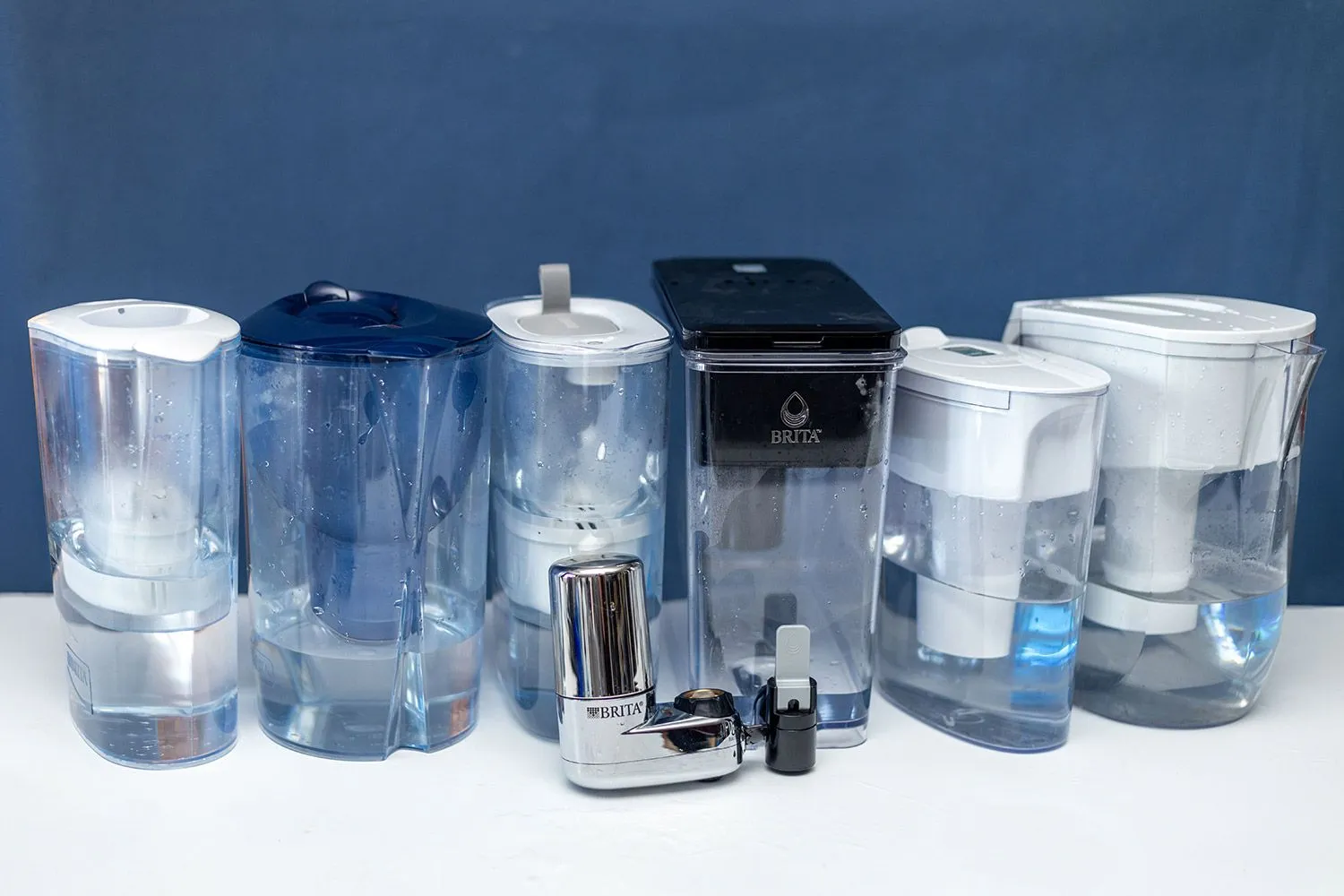
When it comes to drinking water, clean and safe water is a necessity. Many households rely on filtered water to ensure that their tap water tastes better, smells fresh, and is free of harmful contaminants. Among the top choices in home water filtration, Brita and Pur are two of the most popular brands. In this article, we will explore brita vs pur, focusing on eco-friendly water filtration solutions, performance, and real-life benefits for you and your family.
Understanding Brita vs Pur
Before we compare the two brands, it’s important to understand what each offers.
What is Brita?
Brita is a well-known water filter brand that offers pitcher-based filtration systems for home use. These pitchers use activated carbon and ion-exchange resin to reduce chlorine, certain metals, and other impurities. Brita has been praised for its ease of use, affordability, and availability in stores across the United States.
What is Pur?
Pur is another popular water filtration brand that competes directly with Brita. Pur pitchers use advanced filtration technology, often including activated carbon and a proprietary mineral core, to remove more contaminants, including lead, chlorine, and some pesticides. Pur products are often recognized for their high contaminant reduction rates and convenient design.
Comparing Brita vs Pur: Eco-Friendly Features
In today’s world, choosing an eco-friendly water filtration solution is crucial. Both Brita and Pur have introduced features to reduce environmental impact, but they differ in approach.
Filter Material and Longevity
Brita filters are made from activated carbon and ion-exchange resin. Each filter typically lasts about 40 gallons or two months, reducing plastic bottle usage significantly.
Pur filters are also made from activated carbon but often last a bit longer, up to 100 gallons depending on the model. Longer filter life means fewer replacements and less waste, which is an eco-friendly advantage.
Recyclability
Both brands encourage recycling of used filters. Brita partners with TerraCycle to recycle old filters, turning them into new products rather than sending them to landfills. Pur also offers similar recycling programs, making it easier for environmentally conscious consumers to dispose of filters responsibly.
Plastic Usage in Pitchers
Brita pitchers are made from BPA-free plastic, but the brand is moving towards using more recycled materials in its products. Pur pitchers are similarly BPA-free, and some models are designed to last longer, reducing the need for frequent replacement.
Brita vs Pur: Contaminant Removal
One of the most important aspects of any water filtration system is how well it removes contaminants.
Chlorine and Odor
Both Brita and Pur are highly effective at reducing chlorine taste and odor, making tap water more pleasant to drink. Users often notice a significant improvement in water flavor within the first few uses.
Lead and Heavy Metals
Pur generally has an edge over Brita in lead removal. Studies and lab tests show that Pur pitchers can remove up to 99% of lead, while Brita removes around 91%. For households with older plumbing or concerns about lead exposure, Pur may be a safer choice.
Other Contaminants
Pur also has a slight advantage in filtering pesticides, mercury, and some pharmaceuticals. Brita performs well for everyday tap water impurities, but if you want a broader range of contaminant reduction, Pur is often preferred.
Brita vs Pur: Taste and User Experience
Taste is a key factor for many users, and it often determines which brand they stick with.
Taste Improvements
Both Brita and Pur improve the taste of tap water significantly. Some users report that Pur water tastes slightly sweeter due to the extra filtration, while Brita water has a clean, crisp flavor that is widely appreciated.
Ease of Use
Brita pitchers are straightforward: fill, filter, and drink. The filter replacement system is simple and intuitive. Pur pitchers often include a filter life indicator that reminds users when it’s time to replace the filter, which is convenient for busy households.
Filter Replacement
Brita filters need to be replaced approximately every two months, while Pur filters can last up to three months depending on water usage. Longer filter life can save money and reduce environmental impact.
Cost Comparison: Brita vs Pur
Price is another important consideration when choosing a water filter.
Initial Cost
Brita pitchers are usually more affordable than Pur pitchers, making them a popular entry-level option for families. Pur pitchers are slightly more expensive due to enhanced filtration capabilities.
Long-Term Costs
While Brita has lower upfront costs, the shorter filter life may lead to more frequent replacements. Pur’s longer-lasting filters may be more cost-effective over time, especially if reducing waste is a priority.
Real-Life Examples: Brita vs Pur in Action
Consider two households: the first uses Brita, the second uses Pur. Both families live in areas with slightly hard water and occasional chlorine taste.
- Household 1 (Brita): Water taste improves immediately, and they enjoy reduced chlorine odor. They replace filters every two months.
- Household 2 (Pur): Water taste is slightly smoother, and the family feels confident about lead removal. Filters last about three months, reducing plastic waste and saving a few dollars annually.
Both households report significant improvement in water quality, but the choice between Brita vs Pur often depends on personal priorities: cost, filter lifespan, or contaminant removal.
Sustainability Considerations
Choosing eco-friendly water filtration is more than just reducing plastic waste. It also includes energy conservation, responsible manufacturing, and promoting a culture of sustainability.
- Filter Recycling: Both brands have dedicated programs for recycling filters to keep plastic and carbon waste out of landfills.
- Durable Design: Longer-lasting pitchers and reusable parts reduce the environmental footprint of each unit.
- Reducing Bottled Water Usage: Switching to a home filtration system like Brita or Pur dramatically reduces the number of plastic bottles used, which is a major environmental benefit.
How to Choose Between Brita vs Pur
When deciding which pitcher to buy, consider the following factors:
- Contaminant Removal Needs: If lead or heavy metals are a concern, Pur may be the better choice.
- Budget: Brita is more affordable initially, but long-term costs should include filter replacements.
- Eco-Friendly Goals: Both brands offer recycling programs, but longer filter lifespan reduces waste, giving Pur a slight advantage.
- Taste Preferences: Both improve taste, but some users prefer Pur for smoother water.
- Ease of Use: Brita is simple to use; Pur adds a convenient filter indicator for maintenance.
Eco-Friendly Benefits of Brita vs Pur
Reduced Plastic Waste
Using a filtered water pitcher is an effective way to reduce single-use plastic bottles, and brita vs pur are both excellent choices for this purpose. By switching from bottled water to a reusable pitcher, households can prevent hundreds of plastic bottles from ending up in landfills each year. Both Brita and Pur emphasize sustainable materials in their pitchers, making brita vs pur eco-conscious solutions that benefit both your family and the environment.
Recyclable Filters
Another eco-friendly feature in brita vs pur is their recyclable filter programs. Brita partners with recycling initiatives, while Pur also offers filter take-back programs. This means that even after their useful life, the filters can be recycled instead of thrown away, further enhancing the environmental benefits of brita vs pur water filtration systems.
Contaminant Removal in Brita vs Pur
Lead and Heavy Metals
When it comes to safety, one of the most critical factors in the brita vs pur debate is contaminant removal. Pur pitchers can remove up to 99% of lead from tap water, while Brita removes around 91%. Families concerned about lead exposure will notice that brita vs pur provides a clear choice depending on how stringent they want their filtration to be.
Chlorine and Taste Improvements
Both Brita and Pur significantly improve taste by reducing chlorine and unpleasant odors. In real-life comparisons, brita vs pur users often report fresher, cleaner-tasting water, making everyday hydration more enjoyable. Choosing between brita vs pur ensures your tap water is not only safer but also more palatable.
Conclusion
Choosing between Brita vs Pur ultimately depends on your priorities. Both brands offer reliable, eco-friendly water filtration solutions that improve taste, reduce contaminants, and help the environment. Brita is a great option for budget-conscious families who want clean water without complexity. Pur excels for those looking for maximum contaminant removal, longer filter life, and slightly smoother taste. Both choices contribute to reducing bottled water consumption and protecting the planet. Whichever pitcher you choose, switching from tap water to filtered water is a step toward healthier living and a more sustainable lifestyle. Discover new tools, guides, and updates by visiting the main page.
FAQs
Which is better for removing lead, Brita or Pur?
Pur is generally better at removing lead from tap water, with some models removing up to 99% of lead compared to Brita’s 91%. For households with older plumbing or concerns about lead exposure, Pur is the safer option.
How often should I replace my Brita or Pur filter?
Brita filters should typically be replaced every two months or 40 gallons, while Pur filters can last up to three months or 100 gallons, depending on water usage. Regular replacement ensures optimal filtration and taste.
Are Brita and Pur eco-friendly?
Yes, both brands are eco-friendly. They offer filter recycling programs, use BPA-free materials, and help reduce plastic bottle waste. Choosing longer-lasting filters further decreases environmental impact.